










Once celebrated as the “City of Lakes,” Bengaluru was known for its breathtaking network of water bodies that sustained the city’s ecology, wildlife, and communities. These lakes were more than scenic landscapes—they were lifelines that replenished groundwater, supported biodiversity, and regulated the city’s climate.
However, as Bengaluru rapidly transformed into India’s technology capital, its lakes began to disappear beneath the weight of urbanization. Sewage, construction debris, plastic waste, and unchecked encroachments slowly turned these beautiful water bodies into polluted dumps. Many believed the damage was irreversible. The lakes that once reflected blue skies now reflected a growing environmental crisis.
But while many accepted this decline as inevitable, one man refused to.
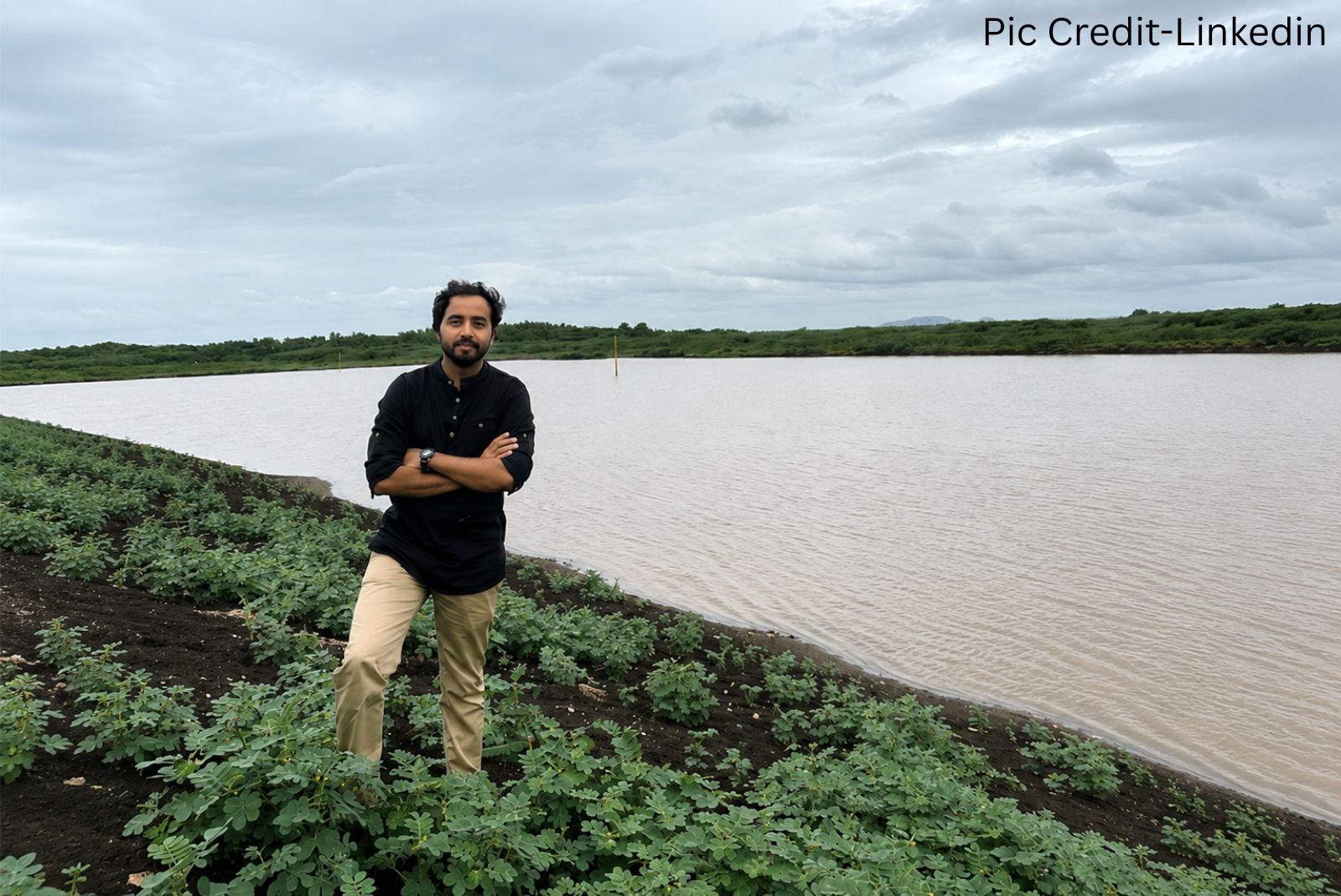
That man was Gurunandan Rao.
Driven by a deep commitment to environmental conservation, Gurunandan Rao envisioned a future where Bengaluru’s lakes could thrive once again. As the Founder of Hands On Foundation and Hands on CSR, he launched a mission that would not only restore lakes but also inspire an entire community to become guardians of nature.
Rather than relying solely on government intervention, Rao believed that environmental restoration should be a collective responsibility. He brought together local residents, NGOs, corporate organizations, volunteers, and environmental experts to work towards a common goal—bringing Bengaluru’s lakes back to life.
The restoration process was far more than simply cleaning polluted water.
Teams removed tons of accumulated garbage, plastic, and construction waste from neglected lakes. Natural water channels that had been blocked for years were reopened, allowing rainwater to flow naturally once again. Efforts were made to improve groundwater recharge, ensuring that the restored lakes could contribute to solving Bengaluru’s growing water scarcity.
Understanding that healthy lakes support entire ecosystems, Gurunandan Rao’s initiatives also focused on restoring biodiversity. Native vegetation was planted around the lakes, creating safer habitats for birds, butterflies, fish, and other wildlife that had gradually disappeared from these ecosystems.
One of the most innovative aspects of these restoration projects was the introduction of Floating Wetlands—natural bio-filtration systems made of aquatic plants. These floating ecosystems help absorb pollutants, improve water quality, and create healthier aquatic environments without relying on chemical treatments. By combining ecological science with sustainable practices, the projects demonstrated how nature itself can become the most effective solution.
The transformation has been remarkable.
Places that were once filled with garbage and foul-smelling water are now surrounded by greenery, clean water, and thriving wildlife. Birds have returned to many restored lakes, aquatic life has improved, and local communities once again have access to peaceful public spaces where families can walk, exercise, and reconnect with nature.
Yet perhaps Gurunandan Rao’s greatest achievement goes beyond restoring lakes.
He has transformed the way people think about water conservation.
For decades, discussions around water shortages often focused on building new infrastructure. Rao reminded people that protecting and reviving existing natural water bodies can be just as important—if not more effective. Healthy lakes recharge groundwater, reduce urban flooding, improve air quality, support biodiversity, and strengthen climate resilience.
His work proves that environmental conservation is not merely about protecting nature; it is about securing the future of cities and the people who live in them.
Today, Gurunandan Rao’s initiatives serve as a model for sustainable urban restoration, inspiring communities across India to rethink how they care for their local ecosystems. His efforts show that meaningful environmental change is possible when citizens, businesses, and organizations unite with a shared purpose.
In an era where climate change, water scarcity, and environmental degradation dominate global conversations, stories like his offer something invaluable—hope.
Hope that damaged ecosystems can heal.
Hope that communities can come together to protect natural resources.
And hope that one determined individual can inspire thousands to create lasting change.
Gurunandan Rao’s journey reminds us that extraordinary transformations do not always begin with massive budgets or powerful positions. Sometimes, they begin with one person who simply refuses to give up.
His story is a powerful reminder that protecting nature is not someone else’s responsibility—it belongs to all of us. And when determination meets collective action, even dying lakes can flow back to life.