





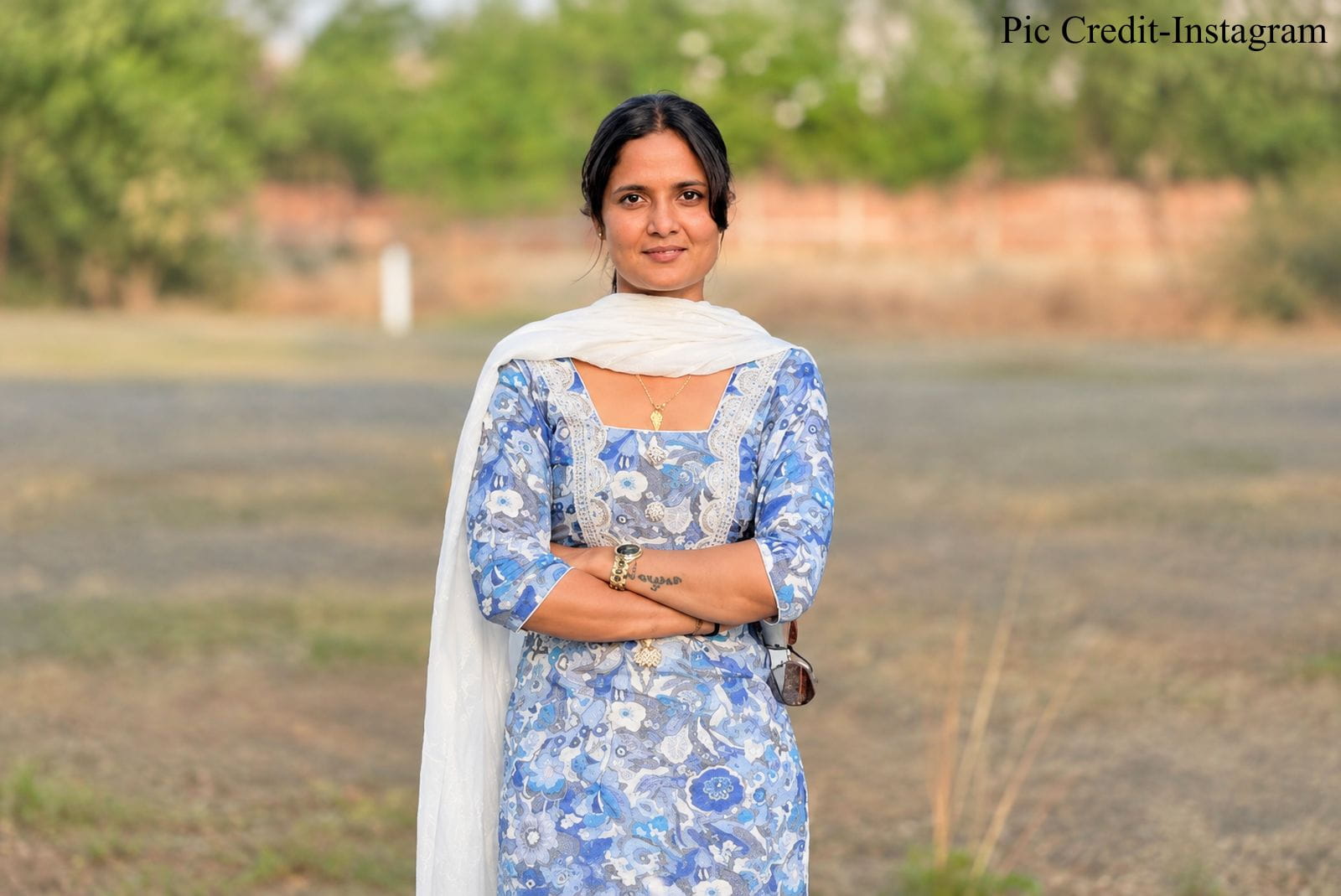




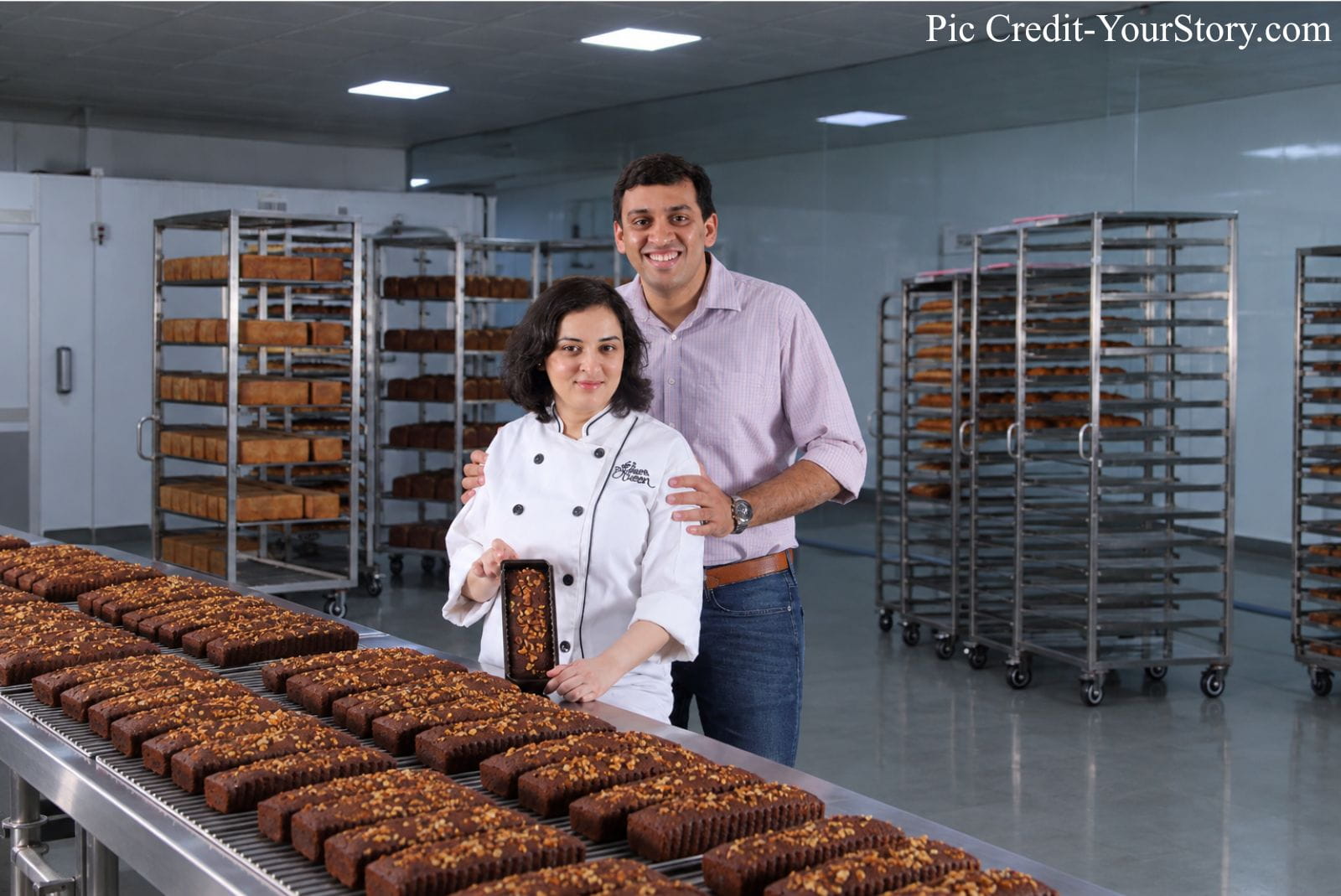
In a market long dominated by mass-produced white bread and highly processed bakery products, two entrepreneurs decided to challenge what Indian consumers had accepted as “normal.” Chef Aditi Handa and Sneh Jain believed that bread could be healthier, more honest, and made with better ingredients. That belief eventually became the foundation of The Baker’s Dozen, now widely recognized as one of India’s leading sourdough and artisan bakery brands.
What began in 2013 as a small, experimental bakery has grown into a nationwide brand that helped reshape how India looks at bread.
A Simple Idea With a Difficult Mission
The core idea behind The Baker’s Dozen was straightforward: bring authentic sourdough bread to Indian households and replace heavily processed, preservative-filled alternatives with something more natural. But while the idea sounded simple, the execution was anything but.
At the time, most Indian consumers were unfamiliar with sourdough. Bread was expected to be soft, uniform, and mildly sweet—very different from the crusty, tangy, slow-fermented sourdough loaves the founders wanted to introduce. This meant the company wasn’t just building a bakery business; it was also trying to change consumer perception.
Instead of adapting their product to match existing expectations, the founders chose a more difficult path—education.
The Founders Behind the Brand
Aditi Handa brought deep culinary expertise to the venture. She trained at renowned culinary institutions in New York and Paris, gaining exposure to global baking techniques and artisan methods. Her focus was on craft, fermentation, and ingredient integrity.
Sneh Jain, an IIM Ahmedabad graduate, brought a completely different but equally important strength—business strategy, systems thinking, and scalability. While Aditi focused on product quality, Sneh focused on how to build a brand that could grow beyond a single bakery.
Together, they created a rare combination: craftsmanship backed by structured entrepreneurship.
Early Struggles and Market Resistance
The early years were not easy. Customers often questioned the appearance, texture, and taste of sourdough bread. Many were used to soft, fluffy white bread made with refined flour, and the dense, rustic nature of sourdough felt unfamiliar.
Instead of compromising, the founders doubled down on education. They explained fermentation, gut health benefits, and the importance of natural ingredients. The brand’s philosophy—“Zero Maida, Zero Palm Oil, and 100% Honesty”—became central to its identity.
This commitment helped them build trust slowly, one customer at a time. Rather than chasing mass appeal immediately, they focused on building awareness and loyalty.
Building a New Category in India
As conversations around healthy eating, clean labels, and gut health started gaining momentum in India, The Baker’s Dozen was already positioned ahead of the curve. The company benefited from a shift in consumer mindset where people began reading ingredient labels more carefully and questioning processed foods.
Sourdough, once considered niche, started gaining recognition for its natural fermentation process, lower glycemic impact compared to regular white bread, and improved digestibility. This helped the brand transition from a niche bakery to a mainstream premium choice.
The company expanded operations and invested in a large-scale production facility in Ahmedabad while still maintaining its focus on artisanal quality. Scaling sourdough production without losing authenticity became one of its biggest achievements.
Expansion and Modern Retail Growth
Over time, The Baker’s Dozen expanded beyond a single city and entered multiple markets across India. Today, the brand is present in more than 33 cities, with over 2,000 retail touchpoints and 50+ exclusive brand stores. Its presence on online grocery platforms further strengthened accessibility, allowing customers to order fresh bakery products at home.
The company also invested in supply chain improvements, packaging innovation, and delivery systems to ensure freshness across longer distances. Alongside growth, it introduced environmentally conscious practices, including more sustainable production methods and efforts to reduce waste in its operations.
Changing Consumer Habits, Not Just Selling Bread
One of the biggest achievements of The Baker’s Dozen is not just its scale, but its role in changing how people think about bread. Instead of positioning itself as just another bakery, the brand positioned itself as an educator in the food space.
It helped introduce Indian consumers to concepts like long fermentation, clean ingredients, and the difference between processed and artisan bread. Over time, what once felt unfamiliar became a preferred choice for a growing segment of health-conscious buyers.
A Brand Built on Patience and Purpose
The journey of Aditi Handa and Sneh Jain shows that building a successful food brand is not always about following trends—it can also be about creating them. Their approach required patience, consistency, and a willingness to stand by a product even when the market didn’t immediately understand it.
The Baker’s Dozen stands today as more than just a bakery brand. It represents a shift in consumer awareness, a move toward cleaner eating, and proof that honest ingredients and strong vision can reshape an entire category.
In a fast-moving food industry often driven by shortcuts, their story is a reminder that sometimes the longest route—focused on education, quality, and persistence—leads to the most lasting success.