





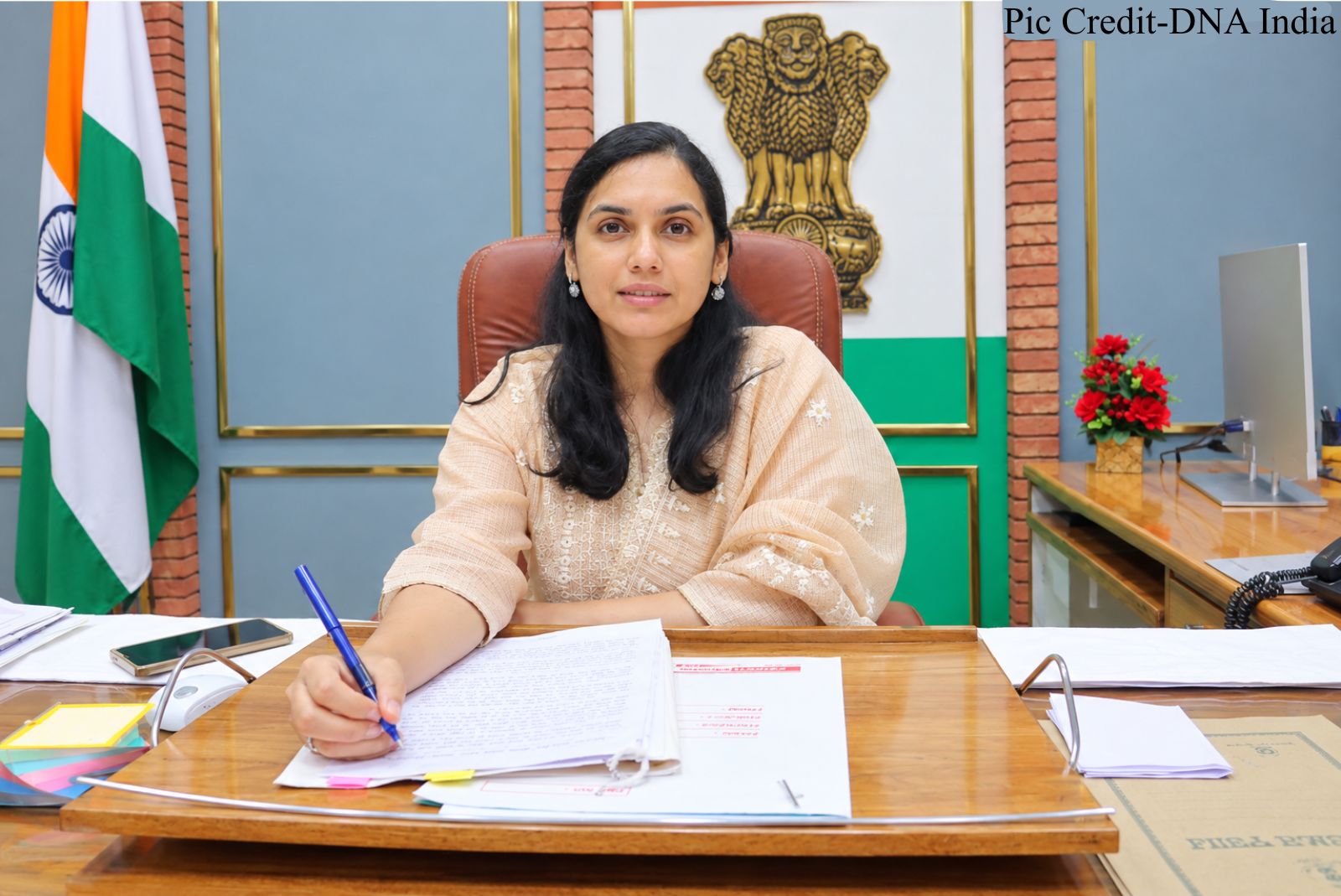





As concerns over El Niño and its impact on India’s monsoon continue to grow, many regions are preparing for the possibility of below-normal rainfall and increasing water scarcity. While most places tend to respond only after a crisis unfolds, one IAS officer in Maharashtra has chosen a different path. Instead of waiting for water shortages to become a reality, he is taking proactive steps to ensure his district is prepared well in advance.
IAS officer Avishyant Panda, currently serving in Maharashtra’s Gadchiroli district, is leading a large-scale water conservation campaign aimed at strengthening the region’s resilience against a potentially weak monsoon. His efforts demonstrate how timely planning and effective governance can reduce the impact of climate-related challenges before they become emergencies.
Preparing Before the Crisis Begins
Meteorologists have warned that El Niño conditions could disrupt rainfall patterns across several parts of India, increasing the likelihood of delayed or deficient rainfall. Such conditions often affect agriculture, drinking water supplies, and rural livelihoods, especially in districts that depend heavily on the monsoon.
Understanding these risks, Avishyant Panda initiated an extensive drive to complete pending water conservation works across Gadchiroli. Rather than waiting for rainfall to fail, the administration focused on ensuring that every drop of rain received during the monsoon could be captured, stored, and utilized effectively.
This forward-thinking approach reflects a simple but powerful idea—prevention is always more effective than crisis management.
More Than 4,600 Water Conservation Works Near Completion
Under Panda’s leadership, more than 4,600 water conservation projects are nearing completion throughout the district. These include check dams, farm ponds, groundwater recharge structures, and the restoration of traditional water bodies.
Each of these projects plays a crucial role in increasing groundwater levels, improving water availability, and reducing dependence on unpredictable rainfall. Check dams help slow the flow of rainwater, allowing it to seep into the ground. Farm ponds store water for agricultural use, while recharge structures help replenish underground aquifers.
Collectively, these initiatives are creating a stronger and more sustainable water management system for the district.
Strengthening Agriculture Through Irrigation
Agriculture remains the primary source of livelihood for thousands of families in Gadchiroli. However, uncertain rainfall often creates significant challenges for farmers, affecting crop production and household incomes.
To address this concern, the district administration is also completing more than 1,000 irrigation projects. These projects aim to provide farmers with a reliable source of water even during periods of inadequate rainfall.
Improved irrigation infrastructure not only protects crops during dry spells but also encourages better agricultural productivity, reduces financial risks for farmers, and supports rural economic stability.
Increasing Water Storage Capacity
Another major component of the district’s preparedness strategy involves restoring existing water bodies by removing accumulated silt.
Nearly 7.5 lakh cubic metres of silt have been removed from ponds, streams, and reservoirs across Gadchiroli. This desilting process significantly increases the storage capacity of these water bodies, enabling them to retain larger quantities of rainwater during the monsoon.
Although desilting may appear to be a routine administrative activity, its long-term impact is substantial. Greater storage capacity means improved groundwater recharge, enhanced irrigation potential, and a more dependable supply of water for villages throughout the year.
A Development Model Rooted in Community Participation
Beyond infrastructure development, Avishyant Panda has consistently emphasized community involvement in governance. Throughout his tenure, he has worked closely with tribal communities and Gram Sabhas to ensure that development initiatives reflect local needs and priorities.
His administration has focused on improving access to government services in remote villages while encouraging active participation from local communities in planning and implementation.
This inclusive approach has helped build trust between the administration and residents, making development programmes more effective and sustainable.
National Recognition for Outstanding Service
Avishyant Panda’s dedication to tribal development and grassroots governance has earned national recognition. In 2025, he was honoured by President Droupadi Murmu with the President Award for Tribal Mobilization under the Adi Karamyogi Abhiyan.
The award acknowledges his contribution towards empowering tribal communities and strengthening participatory governance in one of Maharashtra’s most remote districts.
A Lesson in Proactive Governance
The initiatives underway in Gadchiroli demonstrate that effective governance is not only about responding to emergencies but also about anticipating future challenges and preparing communities in advance.
By investing in water conservation, irrigation infrastructure, and natural resource management before the onset of a potentially difficult monsoon, Avishyant Panda has shown how administrative foresight can protect livelihoods and strengthen climate resilience.
As climate change continues to make weather patterns increasingly unpredictable, such proactive leadership becomes even more important. Gadchiroli’s ongoing transformation serves as an inspiring example of how thoughtful planning, community participation, and timely action can create lasting solutions.
Sometimes, the true measure of leadership lies not in managing a crisis after it arrives, but in ensuring that people are ready long before it does.