







A Simple Idea While Watching Television Led to a Literacy Innovation That Has Helped Millions Improve Their Reading Skills
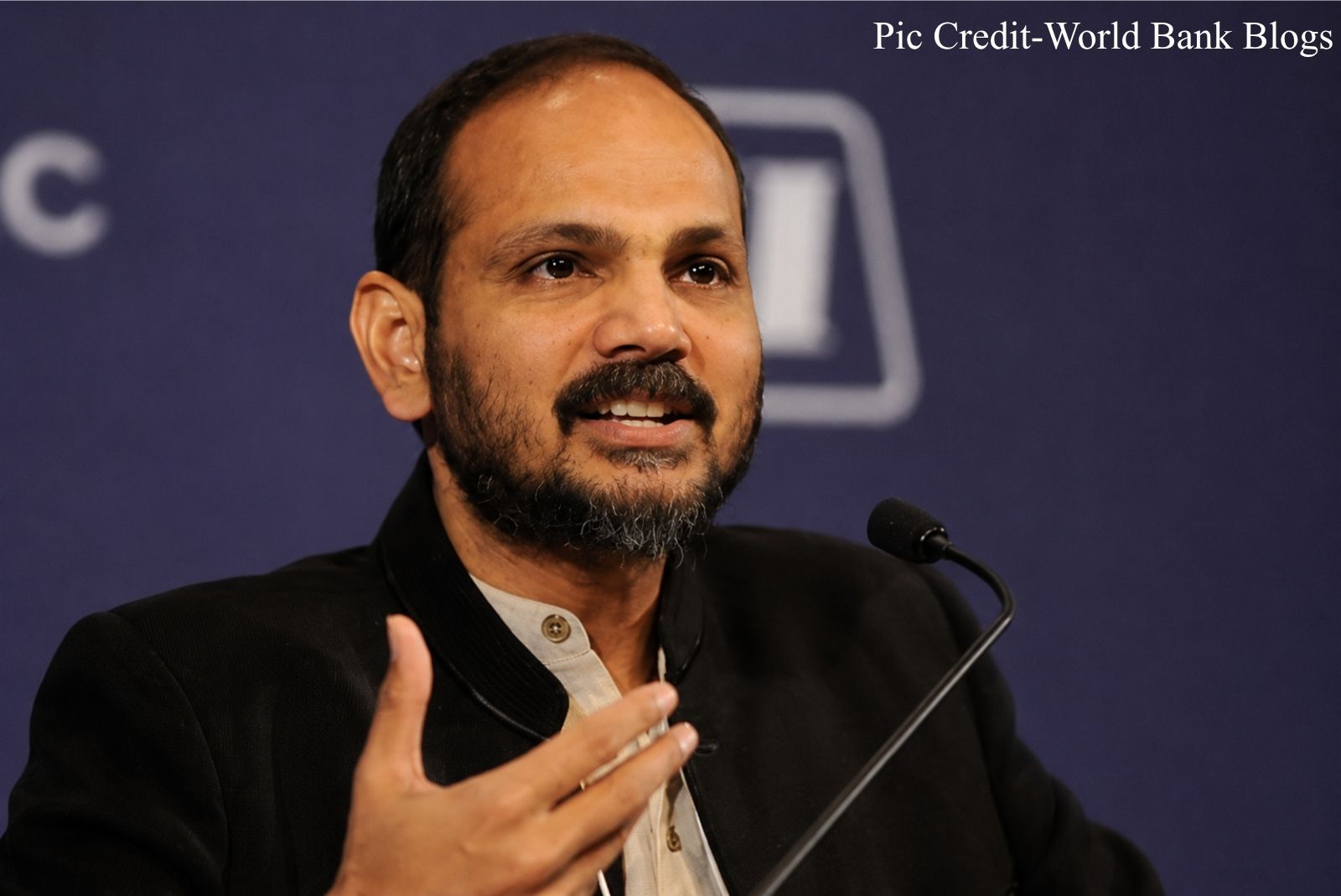
Brij Kothari, a renowned educator, social entrepreneur, and former professor at IIM Ahmedabad, is best known for transforming a simple observation into one of India’s most impactful literacy initiatives. His work revolves around a question that most people never considered deeply: what if watching television could quietly help people learn to read better without formal teaching?
The inspiration for this idea came in 1996 when Dr. Kothari noticed a common behavior among viewers. People who regularly watched television songs could easily memorize lyrics, even if they were not strong readers. They would often recognize words, repeat them, and gradually become familiar with written language patterns just through repeated exposure. This observation led him to a powerful insight: if spoken words appeared on screen in written form at the same time, viewers might naturally develop reading skills without conscious effort.
This insight eventually became the foundation of Same Language Subtitling (SLS). Unlike traditional subtitles that translate dialogue into another language, SLS displays subtitles in the same language as the audio. For example, a Hindi film song would show Hindi subtitles on the screen, word by word, in real time. As viewers listen and read simultaneously, they begin to connect spoken sounds with written words, improving recognition and reading fluency in a very natural way.
What makes SLS especially powerful is its simplicity. It does not require schools, teachers, or additional study time. Instead, it transforms an everyday activity—watching television—into a passive but consistent learning experience. Over time, repeated exposure strengthens word recognition, improves pronunciation, and increases reading speed, particularly among early learners and semi-literate populations.
To scale this idea further, Dr. Kothari helped launch the Billion Readers (BIRD) initiative, aimed at turning television into a nationwide reading support system. The vision was ambitious: reach millions of people across India who might not have access to quality education but do have access to television. Since television is widely available in both rural and urban households, it became a powerful and inclusive platform for literacy development.
The initiative focused heavily on popular content, especially songs and entertainment programs, because these naturally attract consistent viewer attention. Songs in regional languages—such as Hindi, Bengali, Gujarati, Marathi, and others—were subtitled in the same language, ensuring that viewers across linguistic backgrounds could benefit. The repetition of familiar lyrics made it easier for learners to anticipate and recognize words, reinforcing learning without pressure or formal instruction.
Over the years, research studies on Same Language Subtitling have shown encouraging results. A significant number of weak readers began to engage with subtitles instinctively, even if they were not actively trying to learn. This passive engagement led to improvements in word identification, reading accuracy, and fluency. In some cases, children and adults who struggled with reading began to recognize common words simply by watching subtitled programs regularly.
Another important aspect of SLS is its psychological advantage. Unlike classroom learning, which can sometimes feel stressful or discouraging for struggling learners, SLS creates a relaxed environment. Viewers are not tested or evaluated; they simply enjoy content while their brains subconsciously process written language. This combination of entertainment and education makes the approach both accessible and sustainable.
The impact of Dr. Kothari’s work has been widely acknowledged. Educational experts, media organizations, and development agencies have recognized SLS as a low-cost, high-impact literacy intervention. In India, policy support has also increased over time. For instance, broadcasting guidelines have encouraged greater use of subtitles to improve accessibility and learning outcomes, particularly for regional language content.
What makes Brij Kothari’s contribution truly remarkable is not just the innovation itself, but its philosophy. Instead of creating a separate system for literacy, he embedded learning into an existing system that already reaches millions daily. There were no new classrooms built, no expensive infrastructure deployed, and no additional burden placed on learners.
His journey demonstrates a powerful lesson in innovation: sometimes the most effective solutions are not the most complex ones, but those that seamlessly integrate into people’s daily lives. By turning television into a reading companion, he reimagined how education can reach people at scale.
Today, Same Language Subtitling continues to evolve, with digital platforms and streaming services expanding its reach even further. As media consumption grows across devices, the potential for SLS to support literacy development remains strong, especially for young learners and first-generation readers.
Ultimately, Brij Kothari’s work stands as a reminder that meaningful change often begins with simple observation—and the courage to act on it.