







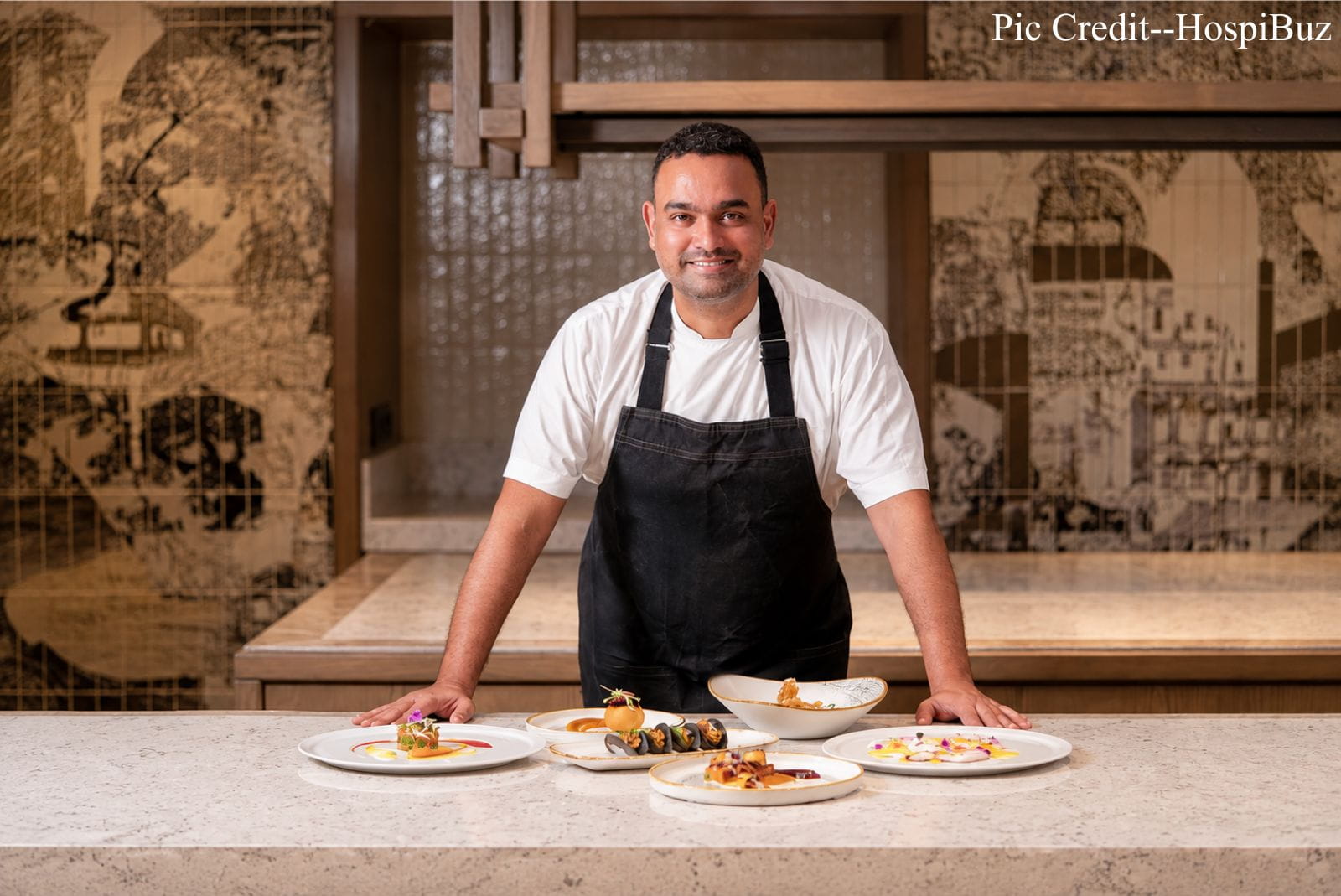
When most people think of Goa, they picture beaches, nightlife, and tourism-driven experiences. But beneath this popular image lies a far richer identity—one shaped by traditional farming communities, coastal fishing cultures, forest produce, and centuries-old culinary practices. For Chef Avinash Martins, Goa has always been about this deeper story. Instead of chasing global culinary trends, he chose to dedicate his career to preserving and reimagining the authentic flavours of his homeland.
A trained culinary professional, Chef Avinash Martins built his early experience working in leading hotels and hospitality groups. These roles exposed him to global cuisines, refined techniques, and the structure of high-end kitchens. Like many chefs with his background, he could have continued a stable and successful career in luxury hospitality. However, his vision for food went beyond hotel kitchens and standard menus. He wanted to tell the story of Goa through its ingredients, people, and traditions.
Returning to Goa and Building Cavatina
In 2013, Chef Avinash made a defining decision—he returned to Goa and launched Cavatina, a fine-dining restaurant that would soon become one of the state’s most respected culinary destinations. At a time when Goa’s restaurant scene was largely driven by tourist-oriented menus, Cavatina stood out for its focus on local produce and modern interpretations of traditional Goan cuisine.
The restaurant quickly gained recognition for its thoughtful approach to food. Instead of relying on imported ingredients or overly complex presentations, Avinash focused on highlighting the natural flavours of Goan spices, seafood, and seasonal produce. Cavatina became more than a restaurant—it became a platform that showcased the depth of Goa’s culinary identity.
A Turning Point During the Pandemic
For several years, Cavatina thrived and built a strong reputation. But like the rest of the hospitality industry, it faced a major setback during the COVID-19 pandemic. With restrictions in place and dining operations halted, the future of restaurants worldwide became uncertain.
For Chef Avinash Martins, however, this pause became a moment of reflection. Instead of viewing the crisis as an end, he began questioning the deeper purpose of food and hospitality. He realized that Goa’s true culinary essence was not confined to restaurants or fine-dining spaces—it lived in its farms, forests, fishing communities, and traditional cooking methods.
This realization sparked the idea for something entirely new.
The Birth of C’est L’avi
From this vision emerged C’est L’avi, an exclusive farm-to-table dining experience created on his family’s 250-acre ancestral property in Goa. Unlike conventional restaurants, C’est L’avi is designed as an immersive culinary journey where nature, sustainability, and food come together seamlessly.
The experience is highly intimate, hosting only a limited number of guests at a time. This allows every meal to feel personal, thoughtful, and deeply connected to its surroundings. Instead of a traditional menu, dishes are curated based on seasonal availability and locally sourced ingredients.
Nearly everything served at C’est L’avi is sourced within a five-kilometre radius. Fresh vegetables, herbs, seafood, and spices come directly from local farmers and communities, ensuring both freshness and sustainability. Cooking methods include woodfire techniques, natural fermentation, and traditional coastal practices that reflect Goa’s heritage.
Sustainability at the Core
What truly distinguishes Chef Avinash Martins’ work is his strong commitment to sustainability. C’est L’avi was developed with deep respect for the surrounding environment. Not a single tree was cut during its creation. Instead, the design integrates naturally with the landscape.
Wood-fired ovens are built using fallen timber, while coconut husks—traditionally used by coastal communities—are used for smoking fish and enhancing flavour. Even water usage and sourcing practices are carefully planned to minimize environmental impact.
Beyond the kitchen, Avinash actively works with more than 60 local farmers. These partnerships not only ensure a steady supply of fresh produce but also support rural livelihoods and encourage the revival of indigenous farming methods. This collaboration strengthens the connection between food, land, and community.
Redefining Goa’s Culinary Identity
Through C’est L’avi and his earlier work with Cavatina, Chef Avinash Martins has played a key role in reshaping how Goa is perceived in the culinary world. Instead of being seen only as a tourist destination, Goa is now increasingly recognized for its rich and sustainable food culture.
His approach combines tradition with innovation, luxury with simplicity, and global techniques with local identity. This balance has helped position him as one of India’s most forward-thinking chefs.
A Legacy Beyond Restaurants
Today, C’est L’avi is regarded as one of India’s most unique chef-led dining experiences. But its importance goes beyond fine dining. It represents a philosophy—one that values sustainability, cultural preservation, and meaningful connection over mass production and commercial expansion.
Chef Avinash Martins has shown that food can be more than just nourishment or business. It can be a way to protect heritage, empower communities, and reconnect people with nature.
His journey from hotel kitchens to creating one of India’s most distinctive farm-to-table experiences reflects a powerful truth: when food is rooted in purpose, it has the power to transform not just plates, but entire cultures.