





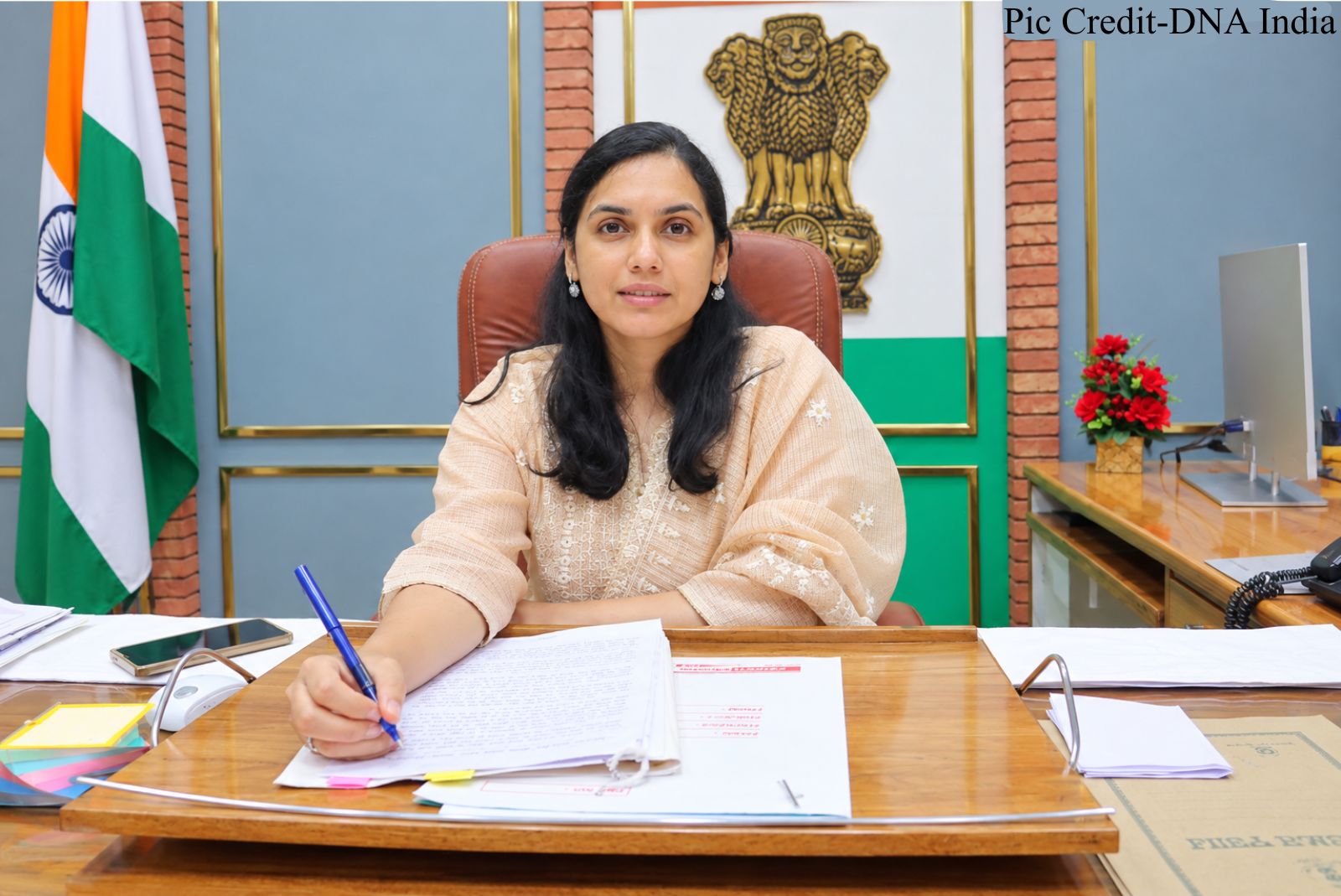



When floodwaters entered homes and disrupted everyday life across parts of Punjab, the crisis tested not only infrastructure but also leadership on the ground. In such moments, the role of an administrator becomes more than just issuing orders—it becomes about presence, reassurance, and quick action. IAS officer Sakshi Sahni came into public attention for her active involvement in relief operations and her people-first approach during the floods.
Leadership in the Midst of Crisis
Flood situations in Punjab are not new. The state’s river systems, monsoon patterns, and low-lying agricultural areas often make several districts vulnerable to waterlogging and breaches during heavy rainfall. In such emergencies, district administrations typically coordinate with agencies like the National Disaster Response Force (NDRF), State Disaster Response Force (SDRF), police, health departments, and local volunteers to manage evacuations and relief distribution.
During the reported flood crisis, Sakshi Sahni was seen prioritizing on-ground supervision rather than restricting herself to administrative offices. Her approach reflected a broader principle of disaster governance—decisions taken closer to affected communities tend to be faster, more accurate, and more humane.
Ground-Level Engagement with Affected Families
As water levels rose and villages faced isolation, many families were forced to evacuate their homes suddenly, carrying only essential belongings. In several rural areas, connectivity disruptions made rescue operations more challenging. Relief teams worked continuously to transport people to safer shelters, often using boats and temporary bridges.
What stood out in the public narrative was her direct engagement with residents. Instead of relying solely on reports, she visited affected areas, interacted with families, and monitored relief distribution firsthand. This kind of field presence often plays a critical role in reducing panic among residents, especially during large-scale disasters.
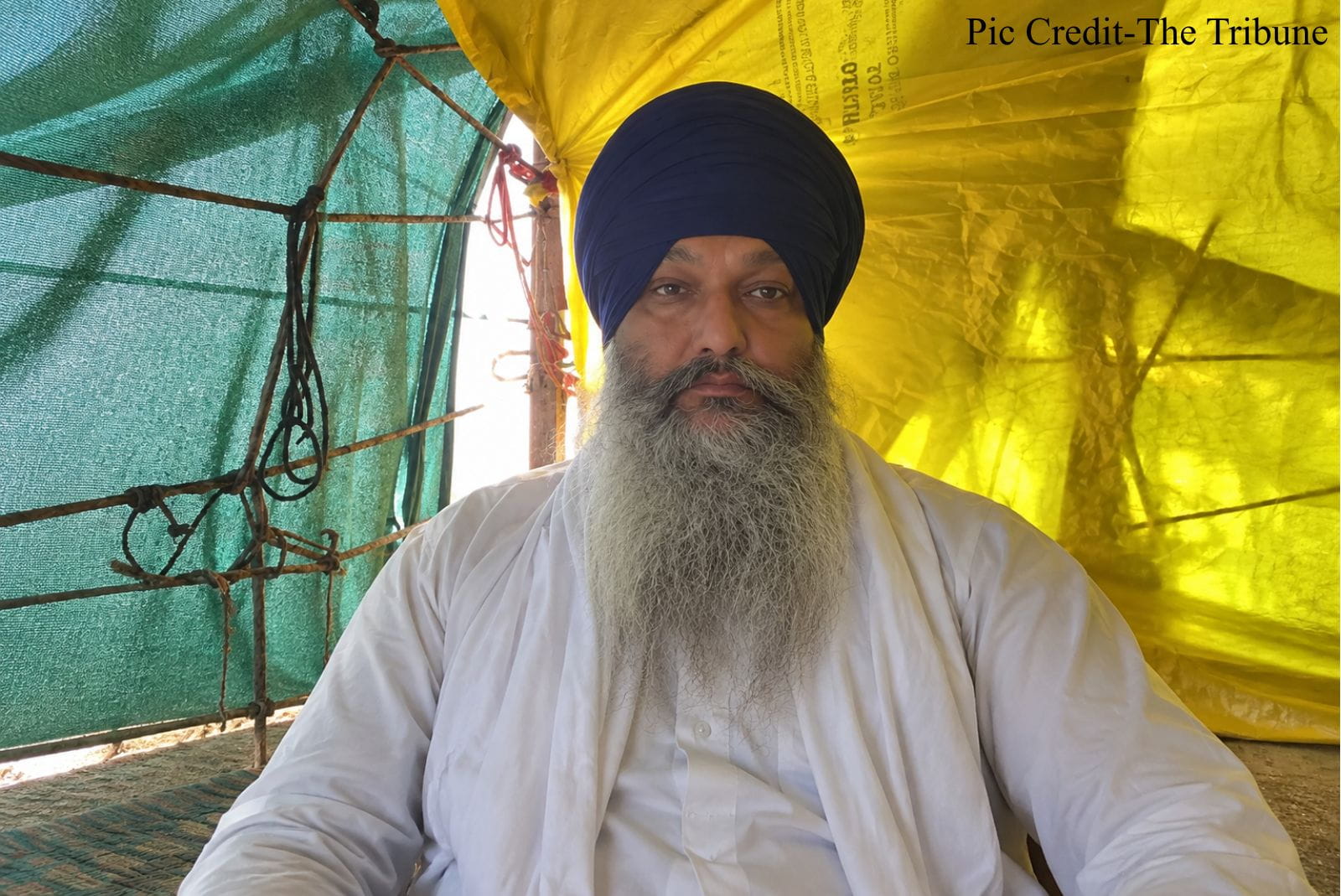
One widely discussed instance involved an elderly resident reluctant to leave his flooded home due to emotional attachment to his property and memories. Situations like these are common during natural disasters, where psychological resistance can delay evacuation. By speaking with him patiently and explaining the risks, she reportedly ensured his safe relocation. Such moments highlight how disaster management is not only logistical but also deeply emotional.
Coordinated Relief Operations
Effective flood response depends heavily on coordination between multiple departments. Under district-level leadership, control rooms are typically activated to manage emergency calls, track rescue requests, and allocate resources efficiently.
Temporary shelters were set up in schools, community centers, and public buildings to provide food, drinking water, blankets, and basic medical care. Medical teams were deployed to prevent outbreaks of waterborne diseases, which are common after floods. Volunteers and humanitarian groups also contributed by distributing ration kits and supporting evacuation efforts.
In such systems, the district magistrate or deputy commissioner plays a central role in ensuring that every department functions in sync. Reports from the field indicated that administrative coordination was strengthened through continuous monitoring and rapid decision-making.
Public Interaction and Trust Building
One of the most significant aspects of disaster leadership is public trust. During emergencies, misinformation, fear, and uncertainty can spread quickly. In this context, visible leadership becomes important.
Citizens reportedly observed Sakshi Sahni participating in relief distribution, checking shelter conditions, and interacting with affected families. These actions contributed to a sense of reassurance among residents, many of whom were dealing with loss of property and disruption of livelihood.
In disaster management literature, this form of “visible governance” is often associated with higher compliance in evacuation efforts and better community cooperation. When officials are physically present, people are more likely to trust instructions and cooperate with rescue teams.
Empathy as an Administrative Tool
Beyond logistics and coordination, her approach reflected a leadership style rooted in empathy. Disaster response is not only about saving lives but also about restoring dignity. Listening to affected families, acknowledging their losses, and ensuring respectful treatment during evacuation are all part of humane governance.
Her often-referenced belief that a Deputy Commissioner is not the “owner of a district but its chief sevadar (servant)” aligns with this philosophy. It reflects a shift in modern administration—from authority-driven governance to service-oriented leadership.
Lessons from the Flood Response
The Punjab flood situation underscores several key lessons in public administration:
First, preparedness is as important as response. Early warning systems, drainage maintenance, and community awareness can significantly reduce damage.
Second, coordination between departments is essential for timely relief. No single agency can handle a disaster alone.
Third, emotional intelligence is crucial. Understanding human behavior during crises can help improve evacuation and relief effectiveness.
Finally, trust between citizens and administration determines how effectively instructions are followed during emergencies.
Conclusion
The flood crisis in Punjab highlighted both the challenges of disaster management and the importance of compassionate leadership. Through active engagement, coordination efforts, and direct interaction with affected communities, IAS officer Sakshi Sahni was recognized in public discussions for her hands-on approach during a difficult time.
Her work serves as an example of how administrative roles extend beyond paperwork and policies. In moments of crisis, governance is measured not by announcements made in offices, but by actions taken in the field—where decisions can mean safety, relief, and hope for thousands of people.