





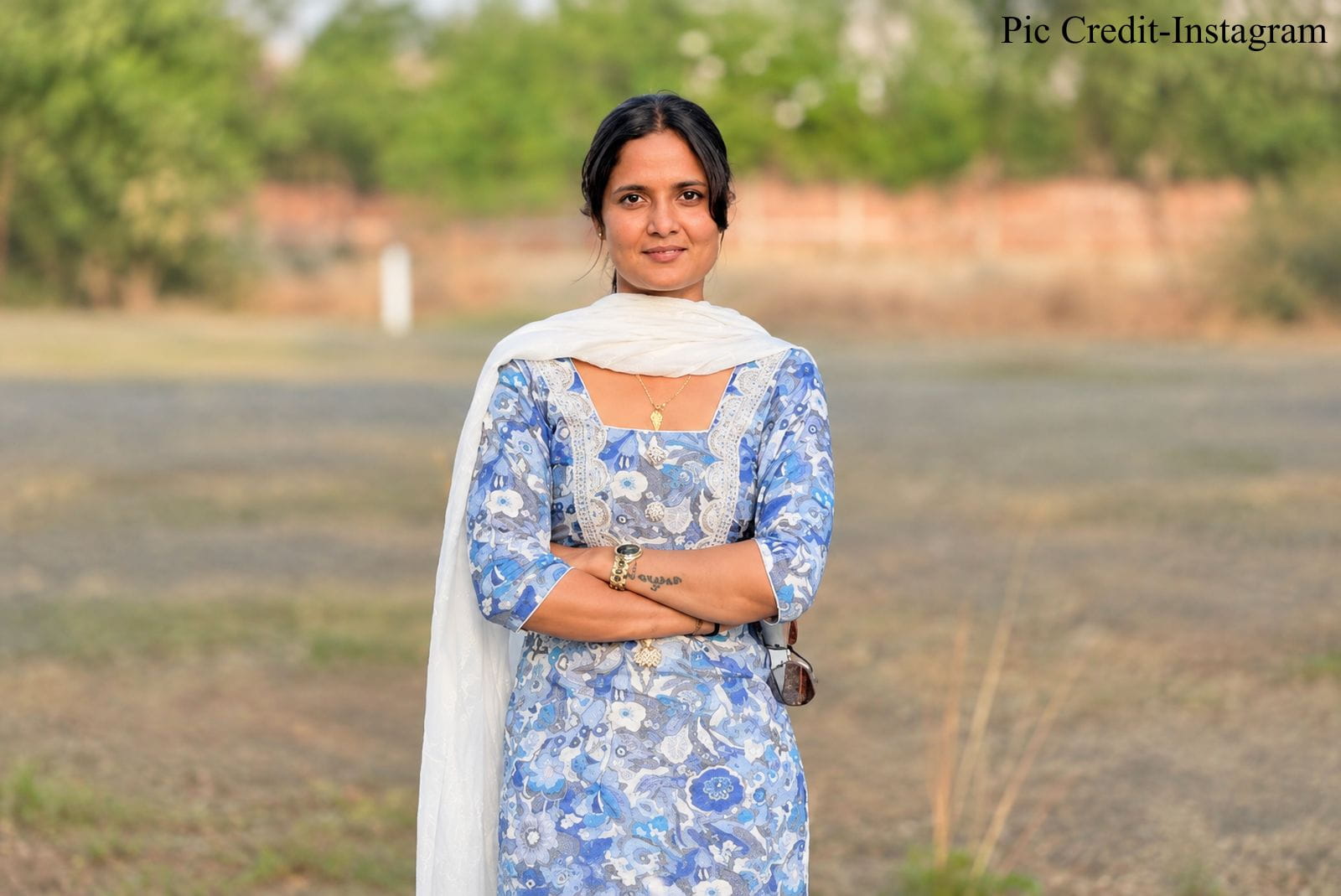



For many people, receiving their first salary is a milestone marked by personal celebrations. Some buy a new smartphone, others purchase gold, treat their families, or fulfill a long-awaited wish. But for BPSC teacher Sneha Sharma, the meaning of a first salary was completely different. Instead of spending it on herself, she chose to invest every rupee in the education of children who had far fewer opportunities than she did. Her simple yet powerful decision not only changed the lives of dozens of students but also inspired thousands of people across social media to rethink what it truly means to celebrate success.
After being appointed as a government school teacher through the Bihar Public Service Commission (BPSC), Sneha Sharma entered the classroom with a deep sense of responsibility. As she began interacting with students, she noticed that many children came to school carrying their books in torn plastic bags because they could not afford proper school bags. Some didn’t even own basic essentials like notebooks, pens, or water bottles. While these may seem like ordinary items to most families, for many underprivileged children they were luxuries that affected both their confidence and their ability to learn comfortably.
When Sneha received her very first salary, she didn’t spend days planning a shopping trip for herself. Instead, she went straight to the market and purchased school bags, water bottles, notebooks, pens, and other essential study materials. Her goal was simple—to ensure that children from economically weaker backgrounds could attend school with dignity and the basic resources they needed to learn. She later distributed these supplies to around 120 children studying at a community learning center in the Lohia Nagar slum area, with the support of the Maya Kaushalya Foundation. For many of those children, it was the first time they had received brand-new school supplies of their own.
News of her gesture quickly spread across the internet. At a time when stories about material success often dominate social media, Sneha Sharma’s decision stood out because it reflected compassion rather than consumption. Thousands of people praised her for choosing service over self-interest and for reminding society that even a single act of kindness can create a lasting impact. Her story resonated especially with teachers, parents, and young professionals who saw her as an example of how meaningful change often begins with small, thoughtful actions.
For Sneha, teaching has never been limited to completing the syllabus or preparing students for examinations. She believes that the responsibility of a teacher extends far beyond the classroom. According to her, education is also about building confidence, nurturing self-belief, and ensuring that no child feels disadvantaged simply because of financial circumstances. By providing students with basic learning resources, she hoped to send them a message that someone believed in their future.
Today, Sneha Sharma has become a symbol of compassionate leadership in education. Her first salary may not have bought luxury or comfort for herself, but it gave something far more valuable to 120 young children—confidence, dignity, and hope. Her journey reminds us that the true value of success is not measured by what we buy for ourselves, but by how many lives we are able to brighten through our achievements.